Comprehensive Wall Repair: From Hairline Cracks to Rebuilds
Walls take a lot of punishment. In Hawkesbury, they face summer heat, heavy seasonal rain, humidity swings and, in many areas, clay-rich soils that shift as moisture levels change. Whether your home is built from brick, render, timber or a mix of materials, small defects rarely stay small. A hairline crack can let water in, and a failing mortar joint can compromise an entire facade. This guide explains comprehensive wall repair from the first signs of trouble through to full reconstruction, so you can judge what your property needs and when to act.
Why Wall Problems Develop in the Hawkesbury Region
Hawkesbury properties sit across floodplains, river flats and higher sandstone ridges. Ground conditions vary a great deal, and so do the causes of wall damage. The most common culprits include:
- Soil movement: Reactive clay swells when wet and shrinks when dry, putting stress on footings and walls.
- Moisture intrusion: Rising damp, blocked drainage and leaking roofs all saturate wall materials from different directions.
- Thermal expansion: Repeated heating and cooling makes masonry expand and contract, which opens joints over time.
- Ageing materials: Older lime or sand mortars soften and erode, particularly on heritage homes in the district.
- Poor water management: Failing gutters and downpipes send water down wall faces, accelerating deterioration.
Identifying the cause matters as much as fixing the symptom. A repaired crack will simply reopen if the underlying movement or moisture source has not been addressed.
Reading the Warning Signs: Crack Types and What They Mean
Hairline Cracks
Cracks under about https://rafaeloxbj428.stonefielddigest.com/posts/brick-mortar-restoration-techniques-for-vintage-homes 1 mm wide are typically cosmetic. They often result from normal drying shrinkage in new plaster or minor thermal movement. They should still be monitored. If a hairline crack grows, spreads or appears alongside sticking doors and windows, it may indicate something more significant. Filling and sealing with a flexible product, followed by quality paintwork, is usually enough for stable hairline cracking.
Moderate Cracks
Cracks between roughly 1 mm and 5 mm deserve closer inspection. Stair-step cracking along mortar lines in brickwork suggests differential movement. Horizontal cracks may point to lateral pressure, while diagonal cracks near window and door corners often signal stress concentration. At this stage, repair usually involves brick joint repair, localised stitching or reinforcement, and investigation of the cause.
Structural Cracks
Cracks wider than 5 mm, cracks where one side of the wall sits proud of the other, and walls that lean or bulge are red flags. These call for assessment by a qualified structural engineer before repairs start. Addressing brick structural integrity at this level may involve underpinning, helical tie installation, or partial or full brick wall reconstruction.
Brick Wall Repair Methods
Brick is durable, but it relies on healthy mortar and sound drainage to perform well over decades. Several specialised repair services keep brickwork in good condition.
Repointing and Mortar Restoration
Brick repointing services involve removing deteriorated mortar to a consistent depth, typically 15 to 20 mm or about twice the joint width, and replacing it with fresh mortar. Done properly, this is one of the most cost-effective ways to extend the life of a wall. Key points for good brick mortar replacement and brick mortar restoration include:
- Match the mortar strength to the bricks. Mortar that is harder than the brick forces moisture and stress through the brick face, causing spalling.
- Match colour, sand grading and joint profile so the repair blends with the original work.
- Use lime-based mixes for heritage and softer historic bricks.
- Avoid grinding too aggressively, which chips brick arrises and permanently alters the appearance.
Brick Deterioration Repair and Erosion Control
Spalling, flaking faces and powdery surfaces are signs of moisture-related decay. Brick deterioration repair may include replacing individual damaged bricks, applying breathable consolidants, or installing flashing and drainage upgrades to remove the water source. Brick erosion control focuses on directing water away from the wall through well-maintained gutters, correct ground levels and appropriate sealing. Breathable sealers are preferred, since impermeable coatings can trap moisture inside the masonry and worsen damage.
Expansion Joint Repair
Long brick walls need movement joints to accommodate expansion and contraction. When these joints are missing, blocked with mortar or filled with failed sealant, vertical cracks appear. Brick expansion joint repair means cutting out old filler, installing a compressible backing rod and applying a high-quality flexible sealant. In some cases, new joints must be cut into walls that were built without them.
Facade Repair
For commercial buildings and street-facing residential walls, brick facade repair blends structural work with appearance. It may include rebuilding corbels or parapets, replacing lintels that have rusted and expanded, cleaning efflorescence, and matching replacement bricks. Corroded steel lintels are a particularly common cause of cracking above openings and should be addressed promptly.
Enhancing Durability and Performance
Repair is the ideal moment to improve how a wall performs over the long term. Brick durability enhancement can include better detailing at the base of walls, replacement of failed damp-proof courses, upgraded weep holes and improved flashings. Brick wall weatherproofing with a suitable breathable water-repellent treatment can reduce water absorption while still allowing the wall to dry out.
Thermal performance also matters, especially with Hawkesbury summers. While brick has useful thermal mass, brick thermal insulation upgrades such as insulated cavity fill, internal insulation systems or reflective barriers can make a noticeable difference to indoor comfort and energy costs. Any insulation work should be assessed carefully to avoid trapping moisture within the wall.
When a Rebuild Is the Right Answer
Rebuilding is a last resort, but sometimes it is the safest and most economical option. Consider brick wall reconstruction when:
- The wall is leaning, bulging or has lost its bond between leaves or ties.
- Large sections of brickwork are crumbling, and patching would cost more than rebuilding.
- Foundation failure has caused significant, ongoing displacement.
- Fire, flood, vehicle impact or storm damage has compromised the wall.
- A structural engineer recommends demolition and replacement.
A proper rebuild includes sound footings, correct damp-proofing, appropriate wall ties, expansion joints, and reclaimed or closely matched bricks where appearance is important. Brick structural repair that stops short of a full rebuild, such as crack stitching, tie replacement or targeted rebuilding of corners, can often resolve the problem at lower cost. A thorough assessment will establish which route makes sense.
Why Walls, Roofs and Gutters Must Be Considered Together
Wall damage is often a symptom of problems elsewhere on the building. A comprehensive wall repair approach looks at the entire building envelope, because water that enters through a roof or overflows from a gutter inevitably ends up in the walls.
Gutters and Drainage
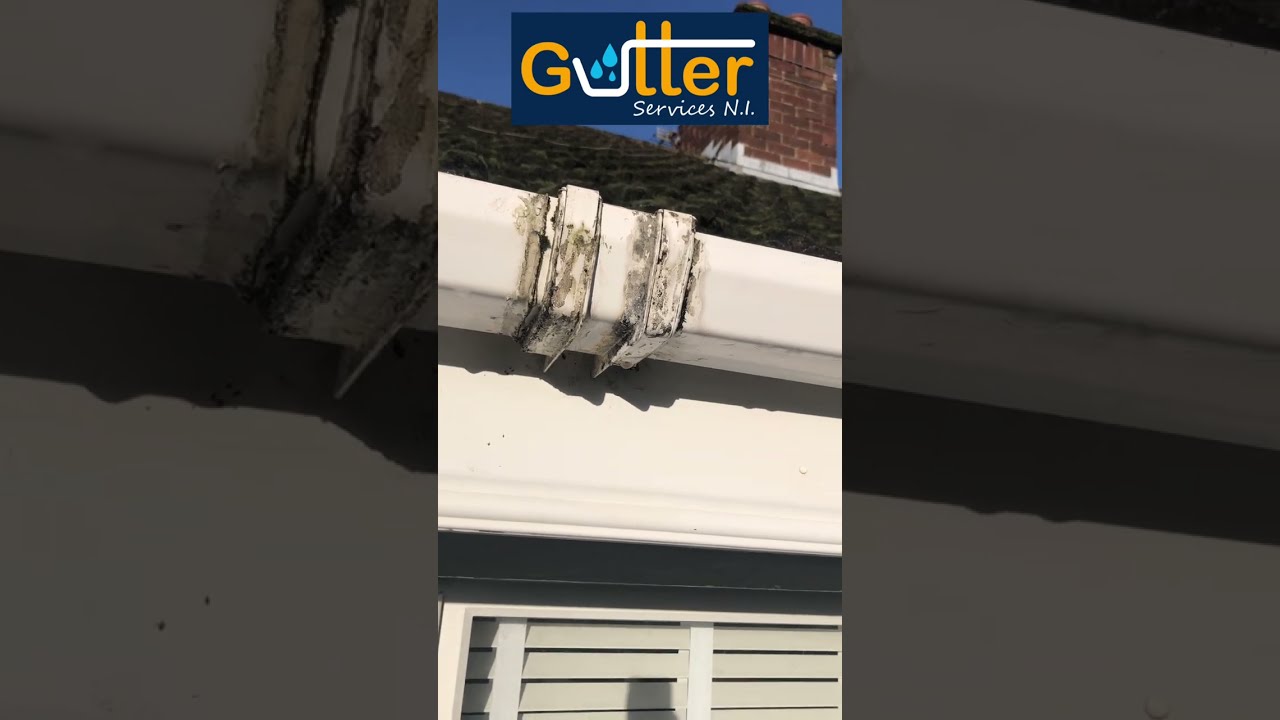
Damaged gutter repair is frequently the first step in protecting a wall. Overflowing or leaking gutters soak brickwork, stain render and wash out mortar. Depending on your property, solutions may include aluminum gutter repair, copper gutter maintenance, or advanced gutter solutions such as larger profiles, leaf guards and realigned falls. Larger sites benefit from commercial gutter services and comprehensive gutter services that integrate with comprehensive drainage solutions to carry water well clear of footings.
Roofing and Ventilation
Roof defects feed moisture into wall cavities and ceilings. Comprehensive roof repair and advanced roof repair address leaking flashings, cracked tiles and failed valleys before they cause wall damage. Depending on age and condition, options range from asphalt shingle replacement and cedar shake replacement to complete roofing replacement. For larger projects, comprehensive roof replacement, comprehensive roof reroofing and complete roof installation provide a long-term solution, while comprehensive roof maintenance keeps problems from returning. Using certified roof repair and certified roof reroofing professionals helps ensure workmanship meets current standards.
Business owners often need commercial roofing, commercial roof repair and commercial roof solutions that minimise downtime. Across all property types, comprehensive roofing services that include inspection, repair and ongoing care offer the best protection for the walls beneath.
Ventilation is equally important. Trapped heat and humidity in roof spaces can drive condensation and moisture into upper wall areas. Effective attic ventilation installation and attic ventilation repair, supported by advanced ventilation techniques, customized roof ventilation and comprehensive roof venting, help balance airflow. These measures also support attic heat reduction and attic cooling methods, lowering cooling loads during hot Hawkesbury summers.
Finishing the Job: Painting and Sealing
Once structural and masonry repairs are complete, the finish protects your investment. Comprehensive painting sealing and comprehensive sealing solutions work together: flexible crack-bridging fillers, breathable primers and high-quality topcoats stop water ingress while letting walls dry. Advanced painting techniques such as airless spraying, elastomeric coatings and proper substrate preparation produce even, long-lasting results. For larger buildings, commercial painting sealing and complete painting sealing packages coordinate scaffolding, repairs and coatings in one program.
Maintaining Your Walls Year-Round
Consistent brick wall maintenance is far cheaper than major repair. A simple routine can catch problems early:
- Inspect walls at least twice a year, ideally after the wettest months.
- Photograph and date any cracks, and measure them to track movement.
- Clean gutters regularly and check downpipes discharge away from the wall.
- Keep soil and garden beds below the damp-proof course.
- Trim trees and remove climbers whose roots and tendrils damage mortar.
- Reseal or repaint at the intervals recommended for your coating system.
Choosing the Right Wall Repair Professional in Hawkesbury
Look for a contractor who diagnoses before they quote. A reliable provider will identify the cause of cracking, explain repair options in plain language, and recommend an engineer where required. Ask about licensing, insurance, written warranties and examples of similar completed work. Check that materials are matched to your wall type, since the wrong mortar or sealant can do more harm than good. Where possible, choose a team that can handle masonry, roofing, gutters and finishing together, so your building envelope is treated as one system.

Take Action Before Small Problems Grow
From a hairline crack in plaster to a leaning brick wall, early attention keeps costs down and protects your property’s value. If you have noticed cracking, crumbling mortar, damp patches or stained walls, arrange a professional inspection. A clear assessment gives you the information to choose between a simple repair, targeted restoration or a full rebuild, and ensures the work lasts through many Hawkesbury seasons to come.
Top Hawkesbury Roofer
Bells Line of Rd, Kurmond NSW 2757, Australia
(02) 4503 4545